
Tyre Care 101: Maximising Safety and Lifespan on Indian Roads
In the Indian automotive landscape of 2026, your tyres are doing more work than ever before. With the rise of heavier Electric Vehicles (EVs) and the expansion of high-speed expressways, the four “palm-sized” patches of rubber connecting you to the tarmac are under immense thermal and mechanical stress. According to recent market insights, proactive tyre care can extend a set’s lifespan by up to 15,000 km while significantly improving your vehicle’s safety profile.
The Four Pillars of Tyre Longevity
Mastering tyre care isn’t about complex mechanics; it’s about consistent, small actions that prevent “premature retirement” for your rubber.
1. Pressure: The “Cold” Hard Truth
Maintaining the manufacturer-recommended PSI is the single most effective way to prevent uneven wear. In 2026, most vehicles come with advanced TPMS (Tyre Pressure Monitoring Systems), but a manual check every two weeks is still recommended.
Pro Tip: Always check pressure when tyres are “cold” (driven less than 3 km). Heat from driving expands the air inside, giving a false high reading.
Want to also sell your Bike? Contact Genie Bikez!
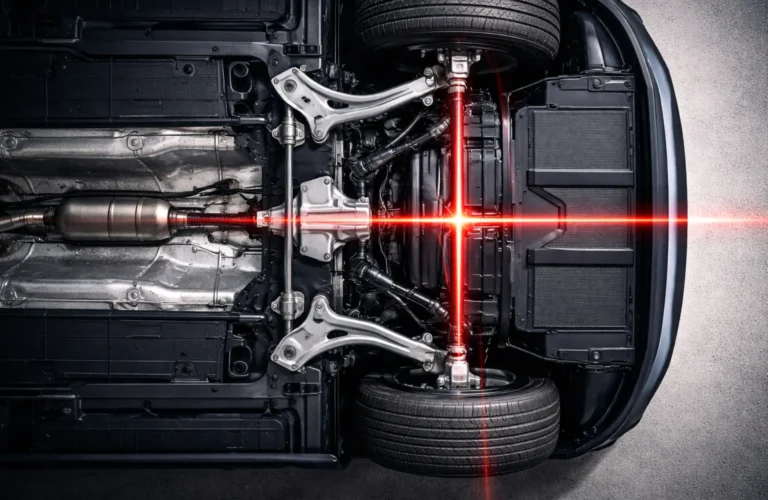
2. Alignment & Balancing: Straight and True
Indian roads, known for their “surprise” potholes, can knock your wheel alignment out of spec in a single commute.
The Rule: Get an alignment and balancing check every 5,000 km. If your steering wheel “pulls” to one side or vibrates at 80 km/h, don’t wait for the milestone—get it checked immediately.
3. Rotation: Sharing the Burden
Front tyres usually wear out faster because they handle steering and the bulk of braking forces.
The Strategy: Rotate your tyres (including the spare) every 7,500 to 10,000 km. This ensures that all five tyres wear down at a similar rate, allowing you to replace them as a complete, balanced set.
Also Read: Can You Bargain for EVERYTHING at an Indian Car Dealership? Fact or Fiction?
4. Visual Inspections: Beyond the Tread
Once a month, run a damp cloth over your sidewalls to check for “bubbles,” cuts, or cracks.
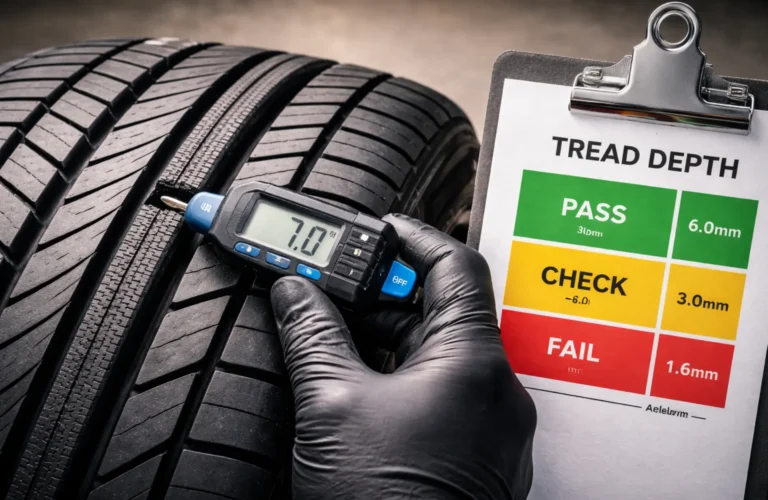
The 1.6mm Limit: All modern tyres have TWI (Tread Wear Indicators)—small raised bars inside the grooves. If the tread is flush with these bars, your tyre is legally “bald” and a major safety hazard in wet conditions.
The 2026 Standard: Star Ratings & EV Tech
When the time comes to replace your rubber, the criteria have evolved. You are no longer just looking at brand names; you are looking at performance certifications.
Understanding the BEE Star Label
- Rolling Resistance: A 5-star rated tyre can improve your fuel (or battery) efficiency by up to 9.5%.
- Wet Grip: Look for high-star ratings to ensure your car stops shorter during heavy monsoon downpours.
The EV Factor
- Reinforced Sidewalls: EV-specific tyres feature “High Load” (HL) ratings to manage the extra weight.
- Acoustic Tech: Look for tyres with “Noise-Reduction” foam inserts. Since EVs have no engine noise, tyre roar becomes much more noticeable in the cabin.
Maintenance Cheat Sheet: Air vs. Nitrogen
| Feature | Compressed Air | Nitrogen |
| Pressure Loss | Faster (Oxygen molecules are smaller) | Slower (Larger molecules stay in longer) |
| Temperature | Runs hotter on highways | Runs cooler (better for long summer drives) |
| Availability | Every fuel station (Usually free) | Selected outlets (Paid service) |
| Verdict | Best for daily city commutes. | Best for frequent highway users and EVs. |
Final Thoughts: Protecting Your Tyres
Proper tyre care is more than just a safety checklist; it is a savvy financial move. When you eventually decide to sell car online, a vehicle with a well-maintained, star-rated set of tyres and a documented alignment history stands out. At Genie Bikez, we’ve observed that a “clean” tyre history is a top indicator of an owner who cares for their vehicle’s mechanical health.
