
Your Car’s Mileage Drops After the First Service: A Common Indian Myth
It’s a tale as old as time—or at least as old as the first Maruti 800. You take your pristine new car for its first 1,000 km check-up, expecting it to come back smoother and more efficient. Instead, you notice the fuel gauge dropping faster than a lead balloon. Before you call the service manager with a list of “what did you do to my car?” questions, let’s pause.
In the world of market insights, this is often called the “Post-Service Perception Gap.” At Genie Bikez, we see this concern frequently from new owners. While it feels like the car is suddenly thirstier, the reality is usually a mix of mechanical transition and human psychology.
The “Break-In” Reality: Your Engine is Still Stretching
Modern engines are built with incredible precision, but they still require a “break-in” or “run-in” period. During the first few thousand kilometers, internal components like piston rings and cylinder walls are literally smoothing each other out.
- High Internal Friction: Initially, the engine parts are “tight.” This creates friction, which requires more fuel to overcome.
- The First Oil Swap: The first service often involves draining the “running-in oil,” which may contain microscopic metal shavings from the initial wear. Replacing it with fresh, high-viscosity oil can sometimes cause a temporary, marginal change in how the engine feels.
- The Sweet Spot: True fuel efficiency usually peaks only after the car has crossed the 5,000 to 7,000 km mark, once the engine reaches its optimal operating clearance.
Why Perception Often Trumps Reality
Often, the “drop” in mileage isn’t in the engine—it’s in the driver’s right foot.
- The “Checked-Out” Confidence: Before the first service, most drivers are cautious, treating the new car with “baby gloves.” After the first service—once the technician gives it the “all clear”—drivers tend to be more aggressive with the throttle, leading to a natural dip in convenience at the pump.
- Idling at the Service Center: During service, the car is often left idling for long periods while technicians check the AC, scan for errors, or wash the vehicle. This kills the “average mileage” reading on your trip meter, making it look much lower than it actually is when you drive out of the gate.
Want to also sell your Bike? Contact Genie Bikez!
Technical Slip-ups That Actually Affect Mileage
While it’s often a myth, sometimes a genuine drop occurs due to minor service-level oversights.
Common Service-Related Mileage Killers:
| Issue | Why it happens | The Fix |
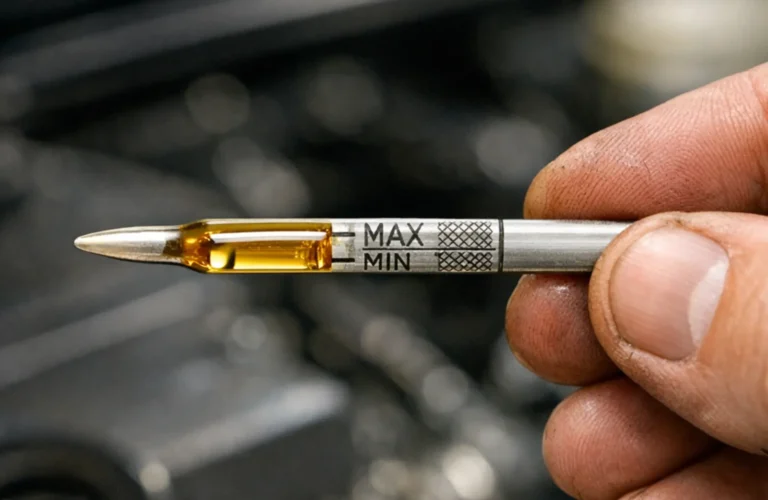
| Engine Oil Overfill | Too much oil creates “drag” on the crankshaft (frothing). | Ensure oil level is exactly at the ‘Max’ mark, not over. |
| Wrong Oil Grade | Using 20W-50 instead of the recommended 0W-20 for modern engines. | Always double-check the grade on your service invoice. |
| Tire Pressure | Service centers often deflate tires to “standard” 30 PSI, which might be too low for your car. | Adjust to the manufacturer-recommended PSI (usually 32-35). |
| Air Filter Gaps | An improperly fitted air filter housing can mess with the air-fuel ratio. | Visual check of the air filter box clips. |
How to Verify Your Actual Mileage
Don’t rely solely on the digital display immediately after a service. To get the “real” news on your fuel economy, follow the Tank-to-Tank Method:
- Fill your tank to the brim and reset your “Trip A” meter to zero.
- Drive for at least 200–300 km in your usual city/highway mix.
- Refill to the brim at the same pump (if possible).
- The Formula: Divide the Kilometers Driven by the Liters Consumed.
Pro Tip for New Owners: If you’ve just finished your first service, give the car another 500 km of varied driving. Most modern ECUs (Engine Control Units) “re-learn” your driving style after a reset or software update during service, and the mileage usually stabilizes quickly.
Also Read: 5 Car Maintenance Habits That Will Save You Lakhs in the Long Run.
Looking Ahead: Selling with Efficiency in Mind
Maintaining high fuel efficiency isn’t just about saving on petrol today; it’s about protecting your car’s future value. When the time comes to sell car online, a vehicle that can demonstrate consistent, high mileage is a top-tier asset.
At Genie Bikez, we’ve noticed that buyers are willing to pay a premium for cars that have been “run-in” correctly and serviced with the right fluids. The transparency of your digital service history, combined with a healthy engine, makes it much easier to sell car online for the best possible price.
